
And Why Traditional Approaches Are No Longer Enough
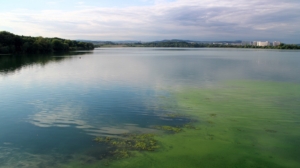
When the Lake Turned Green Overnight
Picture a city reservoir on a Monday morning. By Thursday, the water has transformed into a vivid green blanket. Residents flood municipal hotlines with complaints. A park authority manager watches floating debris accumulate near a popular waterfront trail. Engineers pull historical water quality data—but it’s two weeks old, collected manually, analyzed in a distant laboratory. By the time results arrive, the algal bloom has already spread across 40% of the surface, threatening public health and forcing the closure of recreational areas.
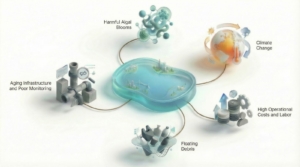
This scenario plays out in cities worldwide with troubling frequency. Yet it represents just one dimension of a far more complex challenge. Today’s freshwater managers—whether overseeing urban reservoirs, recreational lakes, irrigation canals, or hydropower facilities—confront five interconnected crises that are accelerating in both scope and intensity:
The Five Critical Challenges
- Harmful Algal Blooms (HABs) and Eutrophication: Nutrient overload from agricultural runoff and urban discharge fuels explosive algal growth, producing toxins that contaminate drinking water, kill aquatic life, and shut down recreational access.
- Climate Change Impacts on Water Quality: Rising temperatures, shifting precipitation patterns, and extreme weather events are fundamentally altering freshwater chemistry—accelerating bloom cycles, expanding hypoxic zones, and straining water supply reliability.
- High Operational Costs and Labor Intensity: Traditional management relies on manual sampling, laboratory analysis, chemical treatments, and reactive cleanups—a model that is economically unsustainable and increasingly impractical as workforce shortages intensify.
- Floating Debris and Visible Pollution: Plastic waste, organic matter, and surface scum degrade the aesthetic and recreational value of public water bodies while threatening wildlife and ecosystem health.
- Inadequate Real-Time Monitoring and Aging Infrastructure: Most water bodies lack continuous data collection. When combined with deteriorating dams, reservoirs, and distribution systems—many exceeding their 50-100 year design life—this creates a dangerous information vacuum and mounting safety risks.
These are not isolated problems. They form an interconnected web where failure to address one challenge inevitably exacerbates the others. Climate change intensifies algal blooms. Labor shortages hinder proactive pollution removal. Aging infrastructure compounds monitoring gaps. And all of this unfolds against a backdrop of tightening budgets, rising public expectations for clean water, and urgent calls for climate resilience.
The question facing government water managers today is no longer whether to act, but how to transition from fragmented, reactive responses to a truly integrated, predictive, and sustainable approach.
The Converging Pressures Reshaping Freshwater Management
A Global Crisis in Acceleration
The data paints a stark picture. Harmful algal blooms have been reported in at least 108 countries and regions, with frequency and intensity increasing worldwide. In the United States alone, the cost of preventing and treating algal blooms has exceeded $1.1 billion since 2010. The 2014 Toledo water crisis—where microcystin toxins contaminated drinking water for over 400,000 people—cost the city half a billion dollars in water treatment facility upgrades.
Climate change is amplifying these threats with mathematical precision. Lake and river water temperatures are rising globally by up to 0.45°C per decade. Warmer water holds less dissolved oxygen, creating expanding hypoxic zones where aquatic life cannot survive. Seasonal ice cover on lakes has declined by 25%, and ice duration has shortened by more than two weeks in many regions. These changes create ideal conditions for toxic cyanobacteria while simultaneously stressing the ecosystems that might otherwise provide natural resilience.
The infrastructure crisis compounds these environmental pressures. The American Society of Civil Engineers consistently grades U.S. drinking water infrastructure at D or D-, reflecting aging systems characterized by frequent failures and a massive investment deficit. Globally, tens of thousands of large dams have reached or exceeded their intended design life. In California alone, regulated water utilities face an estimated infrastructure funding gap of over $74 billion for the next 20 years.
The Workforce Dimension
Meanwhile, a demographic tsunami looms. Between one-third and one-half of all U.S. drinking and wastewater operators will be eligible for retirement within the next decade. The median age of water sector employees is 48. This “silver tsunami” threatens operational capacity precisely when water systems require more sophisticated management to address emerging contaminants, climate adaptation, and regulatory compliance.
Manual water quality monitoring—the foundation of traditional management—is both expensive and inadequate. The conventional process of on-site sample collection, laboratory transport, and analysis provides only a snapshot in time and space. It cannot capture dynamic pollution events, rapid bloom onset, or real-time system changes. Minnesota’s intensive watershed monitoring program is described by the state Pollution Control Agency as “a long, laborious, and costly process” that strains both agency budgets and personnel capacity.
Why “Business as Usual” Is Failing
The traditional reactive paradigm—periodic sampling, emergency chemical treatments, manual debris removal, and repair-after-failure infrastructure management—is demonstrably unsustainable. Reactive maintenance costs two to five times more than proactive approaches. Chemical algaecides are expensive, often ineffective at scale, and can cause collateral ecosystem damage. Manual debris collection is labor-intensive and fails to capture smaller particles or prevent pollution at its source.
Most critically, this fragmented approach fails to recognize the systemic nature of the challenge. Eutrophication cannot be solved by occasional algaecide application when legacy nutrients remain in sediments. Floating debris cleanup is futile without addressing upstream waste management. Climate resilience cannot be achieved with infrastructure designed for 20th-century precipitation patterns.
Governments and utilities face a fundamental choice: continue escalating expenditure on increasingly inadequate reactive measures, or transition to integrated, data-driven, predictive management that addresses root causes while building long-term resilience.
Ecopeace: An Integrated System for Proactive Freshwater Stewardship

The converging pressures on freshwater systems demand a paradigm shift—from reactive cleanup to proactive management, from fragmented point solutions to integrated systems, from chemical interventions to sustainable remediation. Ecopeace has engineered precisely this transformation through a holistic platform that closes the loop between monitoring, prediction, and action.
The Integrated Architecture: Hardware, Intelligence, and Autonomy
At the heart of Ecopeace’s approach is a three-component integrated system that operates as a unified whole:
ECO-BOT: The Autonomous Water Quality Robot
ECO-BOT is an unmanned surface vessel engineered for 24/7 autonomous operation on lakes, reservoirs, canals, and other freshwater bodies. Unlike conventional monitoring buoys or patrol boats, ECO-BOT simultaneously collects real-time water quality data and physically removes pollution from the environment.
The robot continuously measures critical parameters—dissolved oxygen, pH, temperature, turbidity, chlorophyll-a concentration—while its onboard systems employ chemical-free, physical methods to remove floating debris, algae, and surface scum. This dual capability transforms data collection from a passive observation exercise into an active intervention that immediately improves water conditions.
Powered by renewable energy and designed for all-weather operation, ECO-BOT navigates autonomously using GPS and obstacle avoidance systems. It requires no human pilot, no fuel logistics, and no manual waste collection—dramatically reducing labor dependence and operational costs while eliminating safety risks associated with human field operations in adverse weather or contaminated water.
ECO-STATION: Large-Area Water Purification & Operations Hub
ECO-STATION is a fixed, site-based water management hub designed for large-area purification and long-term operation at designated locations. It integrates continuous filtration and monitoring into stable onshore infrastructure, providing reliable, always-on water quality management.
Deployed in areas where wide water surfaces require sustained purification, ECO-STATION supports both ECO-BOT field operations and continuous treatment – strengthening operational continuity and long-term water quality stabilization.
AI-Powered Cloud Platform: Predictive Intelligence and Digital Twin
The third component—and the system’s strategic differentiator—is Ecopeace’s cloud-based AI platform. This is where data becomes actionable intelligence.
Real-time data streams from ECO-BOT are analyzed using machine learning algorithms trained on thousands of water quality scenarios. The platform generates predictive heatmaps that forecast where algal blooms are likely to emerge, identifies anomalies indicating pollution events, and continuously refines a digital twin of the water body—a dynamic virtual model that mirrors real-world conditions and projects future states under various scenarios.
This predictive capability transforms water management from reactive response to proactive prevention. Instead of waiting for a bloom to become visible, managers receive early warnings when nutrient concentrations and temperature patterns indicate elevated risk. Instead of discovering pollution through citizen complaints, the system detects anomalies within hours of occurrence. Instead of scheduling routine patrols on a fixed calendar, ECO-BOT missions are dynamically optimized based on predicted risk areas.
The platform also provides intuitive dashboards for water managers, automated reporting for regulatory compliance, and transparent data sharing for public communication—crucial for maintaining community trust and demonstrating environmental stewardship.
The Closed-Loop Management Cycle
Ecopeace’s integrated system operationalizes a continuous, five-phase management cycle:
- Monitor: ECO-BOT conducts autonomous patrols, collecting high-frequency, spatially distributed water quality data and physically removing pollution as it operates.
- Analyse: Real-time data streams to the cloud platform where AI algorithms process measurements, identify trends, detect anomalies, and update the digital twin.
- Predict: Machine learning models forecast future conditions—bloom risk zones, pollution hotspots, seasonal trends—enabling managers to anticipate problems before they manifest.
- Act: The system dynamically adjusts ECO-BOT deployment patterns to target high-risk areas, intensify monitoring in emerging hotspots, and physically remove pollution at the earliest possible stage. Human managers receive actionable recommendations for supplementary interventions when needed.
- Report: Automated reporting generates compliance documentation, performance dashboards, and public-facing updates, ensuring transparency and supporting data-driven decision-making at all organizational levels.
This closed loop operates continuously, autonomously, and adaptively—learning from each cycle to improve predictions and optimize operations over time.
Addressing All Five Challenges Through System Integration
Challenge 1: Harmful Algal Blooms and Eutrophication
Ecopeace’s predictive AI identifies early-stage bloom conditions based on nutrient concentrations, water temperature, and historical patterns. ECO-BOT can be deployed to physically remove surface algae using chemical-free methods before blooms spread, while the digital twin helps managers understand the underlying nutrient dynamics driving eutrophication. Unlike reactive chemical treatments that arrive too late and damage ecosystems, Ecopeace enables early intervention with zero secondary pollution.
Challenge 2: Climate Change Impacts
Continuous real-time monitoring captures the rapid environmental shifts driven by climate change—temperature spikes, stratification changes, post-storm pollution pulses. The digital twin models these dynamics, helping managers understand how their specific water body responds to extreme weather and plan climate-resilient interventions. Autonomous operations ensure consistent coverage regardless of conditions that might prevent manual field work.
Challenge 3: High Operational Costs and Labor Intensity
By replacing manual sampling, laboratory analysis, patrol boats, chemical treatments, and reactive cleanup crews with a single integrated autonomous system, Ecopeace fundamentally reduces OPEX. The system operates 24/7 without labor costs, eliminates fuel and chemical procurement, and provides predictive intelligence that prevents expensive emergency responses. Proactive management costs two to five times less than reactive approaches—and Ecopeace automates the proactive model.
Challenge 4: Floating Debris and Visible Pollution
ECO-BOT physically collects floating debris, plastic waste, organic matter, and surface scum during every patrol—not as a separate cleanup operation, but as a continuous pollution removal function integrated with monitoring. This means visible pollution is removed before it accumulates, before it breaks down into microplastics, and before it triggers citizen complaints or forces recreational closures.
Challenge 5: Inadequate Real-Time Monitoring
The platform replaces periodic manual sampling with continuous, high-frequency, spatially comprehensive monitoring. Water managers gain real-time visibility into conditions across the entire water body, not just a few sampling points. The digital twin fills information gaps through predictive modeling. And automated reporting eliminates the weeks-long lag between sample collection and actionable results.
Full Autonomy: The Strategic Advantage
Ecopeace’s 100% unmanned, 24/7 autonomous operation is not merely a technological feature—it is a strategic solution to workforce shortages, safety risks, and the economic impossibility of continuous human monitoring. In an era where one-third to one-half of water sector operators are approaching retirement, autonomy is resilience. In regions facing labor cost pressures or seasonal manpower constraints, autonomy is feasibility.
Moreover, autonomy enables a scale and consistency of operations that human-dependent models cannot match. ECO-BOT operates through night, weekends, holidays, and adverse weather. It does not require training, benefits, safety equipment, or rest. It provides the workforce resilience that governments urgently need as demographic and fiscal pressures intensify.
Three Value Pillars: How Ecopeace Delivers Measurable Impact
Pillar 1: Safety and Environmental Quality in Freshwater Ecosystems
The primary mandate of any public water management authority is to protect public health and environmental quality. Ecopeace delivers this through multiple mechanisms:
Cleaner, Safer Water for Recreation and Ecology
By continuously removing algae, debris, and surface pollutants, ECO-BOT maintains water bodies in a state of ongoing remediation. This translates directly to reduced bloom intensity, lower pathogen loads, and safer conditions for swimming, boating, fishing, and wildlife habitat. Recreational closures due to water quality failures carry significant economic and social costs—Ecopeace’s proactive approach prevents these disruptions before they occur.
Early Warning and Rapid Response
Predictive heatmaps and anomaly detection provide early warning of emerging water quality threats. Managers can alert downstream users, implement protective measures, and deploy targeted interventions while problems are still manageable. The 2014 Toledo crisis—where 400,000 people lost access to safe drinking water—demonstrated the catastrophic consequences of late detection. Real-time intelligence prevents such failures.
Chemical-Free Remediation Protects Aquatic Ecosystems
Traditional algaecide applications kill target algae but also harm beneficial aquatic organisms, disrupt food webs, and leave chemical residues. Ecopeace’s physical removal methods eliminate pollution without introducing secondary contaminants. This supports biodiversity, maintains ecosystem services, and aligns with ecological sustainability goals.
Reduced Public Health Risks
Algal toxins like microcystin can cause acute illness through water contact or consumption. Floating debris harbors pathogens and degrades water sanitation. By continuously removing these hazards, Ecopeace reduces public health risks and the associated costs of medical response, public advisories, and liability exposure.
Pillar 2: Efficiency—Lower OPEX, Optimized Resource Allocation
Economic sustainability is fundamental to long-term water management. Ecopeace delivers cost efficiency across multiple dimensions:
Reduced Manual Labor and Field Operations
Traditional water management requires field teams for sampling, patrol boats for inspection, cleanup crews for debris removal, and specialized contractors for emergency response. Ecopeace replaces this labor-intensive model with autonomous operations, eliminating personnel costs, vehicle maintenance, fuel consumption, and safety equipment requirements.
Elimination of Chemical Treatment Costs
Algaecide treatments for a single large bloom can cost hundreds of thousands to millions of dollars—and deliver inconsistent results. Ecopeace’s physical pollution removal eliminates chemical procurement, application logistics, and the regulatory burden associated with introducing toxins into public water bodies.
Proactive Management Prevents Costly Emergencies
Reactive maintenance costs two to five times more than proactive approaches. Emergency bloom treatments, urgent infrastructure repairs, and crisis communications carry premium costs. Ecopeace’s predictive intelligence enables managers to address problems at the lowest-cost intervention point—before they escalate into emergencies.
Workforce Resilience Amid Labor Shortages
With one-third to one-half of water sector operators nearing retirement, autonomous systems provide operational continuity without dependence on scarce skilled labor. This is not just a cost consideration—it is an existential risk mitigation in regions unable to recruit and retain qualified operators.
Flexible Acquisition Models Lower CAPEX Barriers
Ecopeace offers rental and Water-as-a-Service models that eliminate upfront capital expenditure. Governments can deploy advanced water management capabilities within operational budgets rather than competing for scarce capital project funding. This procurement flexibility accelerates adoption and enables pilot programs that demonstrate value before full-scale commitment.
Data-Driven Optimization
The AI platform continuously learns and optimizes operations. Over time, the system identifies the most efficient patrol patterns, the optimal intervention timing, and the highest-value deployment strategies for each unique water body. This algorithmic optimization delivers compounding efficiency gains that static manual procedures cannot match.
Pillar 3: Sustainability—Carbon Reduction, Ecosystem Support, ESG Alignment
Governments worldwide have committed to net-zero targets, climate resilience frameworks, and environmental sustainability mandates. Ecopeace directly advances these strategic objectives:
Zero Chemical Pollution
Chemical-free pollution removal means no toxic residues, no bioaccumulation in food chains, and no contribution to the growing global burden of synthetic contaminants in freshwater ecosystems. This aligns with the precautionary principle and ecological sustainability standards.
Lower Carbon Footprint
Autonomous electric operations powered by renewable energy eliminate fuel consumption from patrol boats, sample collection vehicles, and emergency response logistics. Fewer truck rolls, no chemical manufacturing and transport, and optimized mission planning reduce the carbon intensity of water management operations—directly supporting municipal climate action plans.
Supports Biodiversity and Blue-Green Infrastructure
Healthy freshwater ecosystems provide critical habitat for biodiversity, support pollinator populations, regulate local climate, and offer flood mitigation services. By maintaining water quality without chemical damage, Ecopeace supports the ecological integrity of blue-green infrastructure—the natural and semi-natural water systems that cities increasingly rely on for climate resilience.
ESG Reporting and Regulatory Alignment
Transparent, real-time data from the Ecopeace platform supports ESG (Environmental, Social, Governance) reporting requirements for public utilities and government agencies. Automated compliance documentation demonstrates regulatory adherence. Public-facing dashboards build community trust and accountability—increasingly important as citizens demand greater environmental transparency.
Circular Economy and Waste Reduction
By physically removing plastic and debris before it breaks down into microplastics, Ecopeace helps close the loop on waste management failures upstream. Collected materials can be sorted, recycled where possible, and properly disposed—supporting circular economy principles and reducing the long-term burden of persistent plastic pollution.
Climate Adaptation Infrastructure
As climate change alters precipitation, temperature, and extreme weather frequency, water management systems must adapt. Ecopeace’s continuous monitoring and digital twin capabilities provide the real-time intelligence needed to understand climate impacts on specific water bodies and implement adaptive management strategies. This positions water authorities as proactive climate leaders rather than reactive victims of environmental change.
HEALING-BOAT: Transforming Water Management from Cost Center to Community Asset
Perhaps the most visionary element of Ecopeace’s platform is HEALING-BOAT—a concept that reimagines water management infrastructure as a dual-purpose asset delivering both environmental remediation and recreational value.
Beyond Cleanup: Water Bodies as Living Community Spaces
Traditional water management views lakes and reservoirs primarily through utilitarian lenses—drinking water supply, irrigation storage, flood control, hydropower. Environmental protection is framed as a regulatory obligation, a cost to be minimized. This paradigm misses the profound social and economic value that clean, attractive water bodies provide to communities.
Urban freshwater environments serve as public gathering spaces, recreational amenities, tourism attractions, cultural landmarks, and natural respite from dense urban environments. Waterfronts are economic engines—driving property values, supporting hospitality industries, and attracting talent and investment to cities. Yet these benefits evaporate when water quality degrades, blooms force closures, or visible pollution makes spaces uninviting.
HEALING-BOAT reframes this dynamic entirely. Instead of viewing ECO-BOT purely as an environmental management tool, Ecopeace envisions water bodies enhanced by eco-recreation infrastructure—vessels and platforms that simultaneously clean the water while providing leisure and tourism experiences.
The Dual-Purpose Value Proposition
Imagine a city reservoir where ECO-BOT operates not only as an invisible autonomous cleaner but also as a visible symbol of innovation and sustainability. Waterfront cafes advertise sunset cruises alongside the cleaning robot. Educational programs bring students to observe real-time water quality monitoring. Tourism boards promote the city’s “smart green lake” as an attraction demonstrating environmental leadership.
This is the HEALING-BOAT concept: infrastructure that works while it delights, that cleans while it engages, that justifies its investment through multiple value streams rather than a single environmental function.
Economic and Social Multipliers
For government water managers operating under budget constraints and competing priorities, HEALING-BOAT offers a compelling narrative:
- Community pride and liveability: Visible investment in water quality demonstrates government responsiveness to resident concerns about environmental quality and public space.
- Tourism and economic development: Clean, well-managed water bodies attract visitors, events, and commercial activity—generating economic returns that partially offset operational costs.
- Education and engagement: Water bodies with transparent, technology-enabled management become outdoor classrooms for sustainability education, building public understanding and support for environmental investments.
- Branding and positioning: Cities implementing cutting-edge green infrastructure gain reputational benefits in competitive global rankings for liveability, sustainability, and smart city innovation.
Rather than defending water quality management as a necessary regulatory cost, HEALING-BOAT enables leaders to position these investments as strategic enhancements to quality of life and economic vitality. The water body transitions from a potential liability (what if it fails?) to an activated community asset (look what it enables).
A Vision Aligned with 21st Century Urban Values
As cities worldwide grapple with heat island effects, mental health challenges, and the need for nature connection in dense urban environments, blue-green infrastructure is increasingly recognized as essential to liveability. HEALING-BOAT aligns water management investment with these broader urban health and climate resilience goals.
It represents a fundamentally different conversation—from “How do we afford this?” to “How do we leverage this for maximum community benefit?”
The Path Forward: From Reaction to Resilience
The five critical challenges confronting freshwater management—harmful algal blooms, climate impacts, operational costs, visible pollution, and inadequate monitoring—are not temporary disruptions. They are structural shifts driven by demographic change, environmental transformation, and the obsolescence of 20th-century infrastructure. Traditional reactive approaches cannot solve 21st-century systemic problems.
Governments and water authorities face a strategic decision point. Continuing to invest in fragmented, labor-intensive, chemical-dependent reactive management will yield escalating costs and declining outcomes. The workforce crisis, climate acceleration, and infrastructure aging guarantee that business-as-usual becomes more expensive and less effective each year.
The alternative is a fundamental paradigm shift: integrated, autonomous, predictive water management that addresses root causes rather than symptoms. Ecopeace has engineered this transformation—combining robotics, artificial intelligence, and chemical-free remediation into a closed-loop system that monitors, predicts, and acts in real time.
Alignment with National and Municipal Goals
For governments pursuing net-zero targets, Ecopeace delivers measurable carbon reduction through electric autonomous operations and elimination of chemical treatments. For smart city initiatives, the platform provides real-time data, predictive intelligence, and transparent public reporting. For climate resilience strategies, continuous monitoring and digital twin modeling enable adaptive management of water resources under environmental stress. For public health authorities, reduced algal toxins and improved water quality directly protect community wellbeing.
This is not incremental improvement—it is strategic realignment of water management with the priorities that already drive government policy.
An Invitation to Lead
The transition from reactive to proactive water management requires vision and the willingness to embrace innovation. Ecopeace invites forward-thinking government leaders, water authority directors, and environmental managers to explore how an integrated autonomous system can transform their specific challenges into opportunities.
Pilot programs offer a low-risk pathway to demonstrate value. Deploy Ecopeace on a single lake, reservoir, or canal segment. Measure the reduction in bloom intensity, the decrease in manual labor hours, the quality of predictive intelligence, and the public response to visible improvement. Build the evidence base that supports full-scale implementation.
Assessment and consultation services help water managers understand their specific operational profile, quantify current costs, and model the economic and environmental impact of transitioning to autonomous operations.
The infrastructure and workforce crises facing water management will not resolve on their own. Climate change will not pause for budget cycles. But the tools to navigate these challenges exist today. The question is whether governments will lead the transition or be forced to react when traditional systems fail.
The choice—and the opportunity—is now.
Learn more about Ecopeace’s integrated water management solutions and explore pilot program opportunities at
About Ecopeace
Ecopeace delivers AI-powered water intelligence for next-generation freshwater management. By combining autonomous robots and predictive analytics, we help cities move from reactive water operations to proactive, sustainable management systems.
